
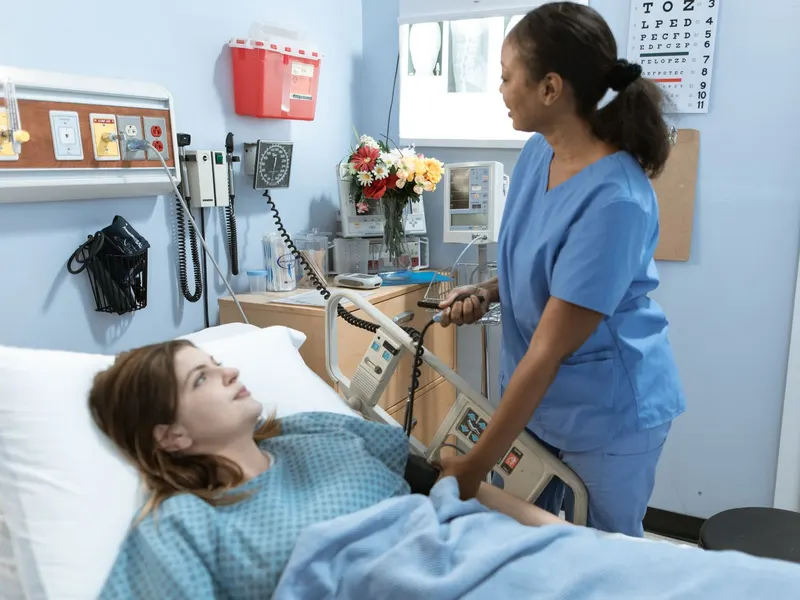
What does recovery depend on?
Head and neck cancer operations range from a limited procedure done through the mouth to long operations that include removal of the neck lymph nodes (neck dissection) and repair with tissue taken from another part of the body (flap reconstruction). For this reason, the length of the hospital stay and the time it takes for eating and speaking to return to normal vary from person to person.
Recovery is a team effort: the surgeon, nurses, speech and language therapist, dietitian, physiotherapist, dentist and, when needed, a psychological support specialist work together. The information below is general; your treatment team will set out your individual plan.
The first days in hospital
- The stay can range from a few days to a few weeks depending on the type of operation. After major surgery, the first day or days may be spent in intensive care or under close observation; if a flap repair was done, its blood supply is checked frequently.
- One or more thin drains may be placed in the neck to remove blood and fluid that collect there; a drain is usually removed once the amount of fluid decreases.
- Getting out of bed and walking early is encouraged. Leg exercises and, if needed, blood-thinning injections and compression stockings may be used to reduce the risk of clots in the legs.
- Pain is expected in the first days and is controlled with regular painkillers; tell your team early if your pain is increasing.
Temporary tracheostomy and feeding tube
Temporary tracheostomy
Because swelling after surgery to the mouth, tongue, throat or voice box can narrow the airway, a temporary breathing tube (tracheostomy) may be placed through a small opening into the windpipe in the neck. As the swelling settles, the tube is usually removed within a few days and the opening often closes on its own. A small number of people need a permanent tracheostomy; after operations that remove the whole voice box (total laryngectomy), the breathing opening in the neck is permanent.
While the tube is in place, nurses suction secretions, humidify the air and keep the tube clean. Speaking may be difficult while the tube is in; communication aids such as a writing board, pen and paper or a phone are used. If you go home with a tracheostomy, you and your family will be trained in its care.
Temporary feeding tube
For a while after mouth or throat surgery, eating by mouth may not be possible. During this period, nutrition can be given through a thin tube from the nose into the stomach (nasogastric tube) or a tube placed directly into the stomach (gastrostomy). A dietitian works out how much nutrition you need; as swallowing becomes safe, you move on to soft foods and the tube is removed.
Swallowing, speech and shoulder rehabilitation
- A speech and language therapist assesses when, and with which textures, swallowing is safe; swallowing and speech exercises often start in hospital and continue at home.
- During neck dissection, the nerve that works the shoulder muscle (accessory nerve) may be affected; this can cause shoulder stiffness, difficulty raising the arm and pain. Exercises recommended by a physiotherapist help to preserve and regain shoulder movement. If the nerve was preserved, symptoms usually lessen over months; if the nerve had to be removed, the effect may be permanent.
- Numbness of the skin around the neck, face and ear is common; it often lessens over weeks to months but may be permanent in some areas. Take care to protect numb skin from heat and cold.
- After lymph nodes are removed or after radiotherapy, persistent swelling of the face and neck (lymphoedema) can develop. When it is noticed early and treated by a specially trained therapist, it can usually be reduced.
Recovering at home
- Care for your wound as you were shown; your team will tell you when the stitches will be removed and when you can shower.
- Tiredness lasting weeks or even months is common. Increase your activity gradually, starting with short walks, and make time to rest.
- Getting enough calories and protein is important for wound healing; contact your dietitian if you are losing weight.
- If radiotherapy is planned after surgery, a dental examination and any necessary dental treatment are recommended before it starts. Because radiotherapy can cause dry mouth and a tendency to tooth decay, regular dental care, fluoride products and dental check-ups are important.
- Stopping smoking and alcohol supports healing, may improve the effectiveness of treatment and lowers the risk of a second cancer; you can ask for help with quitting.
- When you can return to work and driving depends on the type of operation and your recovery. To drive, you generally need to be able to turn your head freely and to have stopped painkillers that cause drowsiness; follow your team's advice.
- Feeling anxious or low, and finding it hard to adjust to changes in appearance or speech, is natural. Do not hesitate to share your feelings with your team; psychological support and patient support groups can help.
Follow-up
Regular check-ups after treatment are done to monitor recovery, manage side effects and detect a return of the cancer or a new cancer early. Visits are usually more frequent in the first years and then spaced further apart. The mouth, throat and neck are examined at each visit, and endoscopy or imaging such as CT, MRI or PET-CT is requested when needed. People who received radiotherapy to the neck may also have their thyroid function checked.
When to contact your team or go to the emergency department
Urgent / emergency (call 112 or go to the nearest emergency department)
- Difficulty breathing, noisy breathing or sudden shortness of breath.
- Bleeding from the wound, mouth or tracheostomy that does not stop or is heavy.
- Rapidly increasing swelling or tightness in the neck.
- A tracheostomy tube that is blocked or has come out and cannot be cleared, making breathing difficult.
- Chest pain, coughing up blood or feeling faint.
Contact your team the same day
- Fever, shivering or generally feeling unwell.
- Redness, warmth, a bad smell, discharge or opening of the wound edges.
- A feeding tube that is blocked or has come out, or pain and discharge around it.
- Increasing pain, worsening swallowing, being unable to drink enough, or a new change in your voice.
- Swelling, redness and pain in a leg.
Do not hesitate to call your treatment team about any symptom you are unsure of; your individual follow-up plan and emergency contact details should be given to you at discharge.
Frequently asked questions
Sources
The general information on this page is based on the guideline and institutional sources below. Individual diagnosis and treatment decisions require an examination.